
Chronic HypoPARA from their point of view
Living with chronic HypoPARAthyroidism (HypoPARA) means navigating a world of unseen struggles, like the invisible toll of daily symptoms and the mental weight of managing a rare condition every day.
Chrissy and Curt know what that feels like. Despite the changes and the challenges, they’ve discovered a powerful truth along the way: how you look at life matters most.
Meet Chrissy
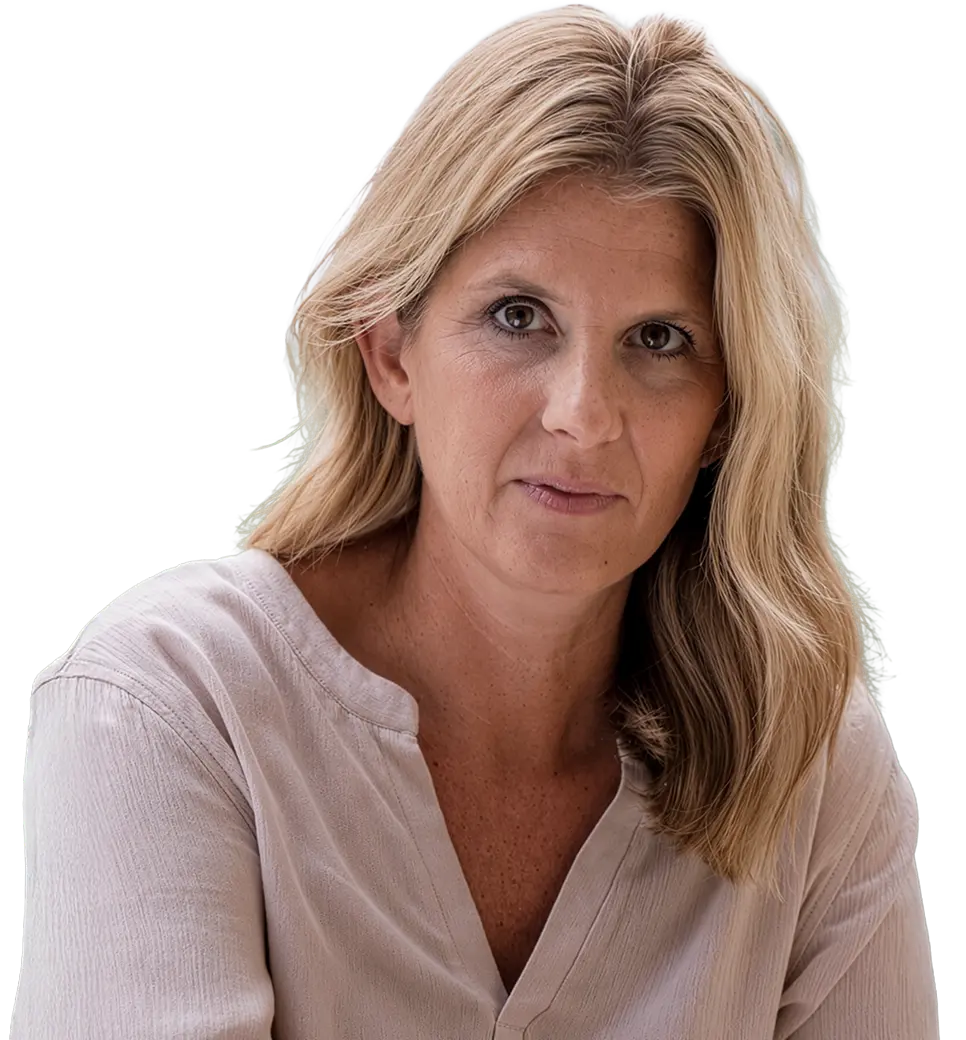
Chronic HypoPARA challenged Chrissy’s identity. When she could no longer be as active as she once was, she found community and learned how to advocate for herself.
Chrissy, chronic HypoPARA patient

A diagnosis that came out of nowhere
Chrissy is a wife and mother of 3 active kids. She loves gardening, traveling, and spending time with her family. In January 2011, her life changed in ways she never expected.
Chrissy had a history of thyroid issues that eventually led to thyroid cancer and surgery. After her calcium levels dropped after surgery, she had to be hospitalized. She then learned her PARAthyroid glands were damaged, and she was diagnosed with chronic HypoPARA.
“I pretty much had to live around pills; I’d have maybe one busy day and then the next day I’d be like, ‘All right kids, we have to stay home and watch TV today.’ It was really hard for me because that wasn’t who I was. I was never a sit-at-home mom, I was an active mom who wanted to do the amusement parks.”
Learning to live with chronic HypoPARA
The impact on Chrissy’s family was immediate and hard. She struggled to remain an active and engaged parent.
Managing chronic HypoPARA with calcium and active vitamin D came with its own difficulties. Beyond the sheer number of pills, Chrissy faced a frustrating pattern: her lab results sometimes came back normal, even when she kept having symptoms like tingling, brain fog, and muscle aches.
On top of her daily symptoms, she had long-term concerns too, since she learned that taking calcium could take a toll on her kidneys.
The power of community and the right doctor
Two things made a big difference for Chrissy: finding a community of people who understood her experience and an endocrinologist who took her seriously.
About a year after her diagnosis, she found a patient conference online. She met other people living with chronic HypoPARA, who became her support system. For the first time, she didn't feel alone.
“Advocating for myself is imperative, especially when my body is telling me something that the labs aren’t.”
Chrissy’s point of view
Find your people, find an endocrinologist who will truly listen, and don’t be afraid to speak up for yourself.
Chrissy’s experience is her own. Talk to your doctor about your symptoms and what treatment options may be right for you.
Meet Curt
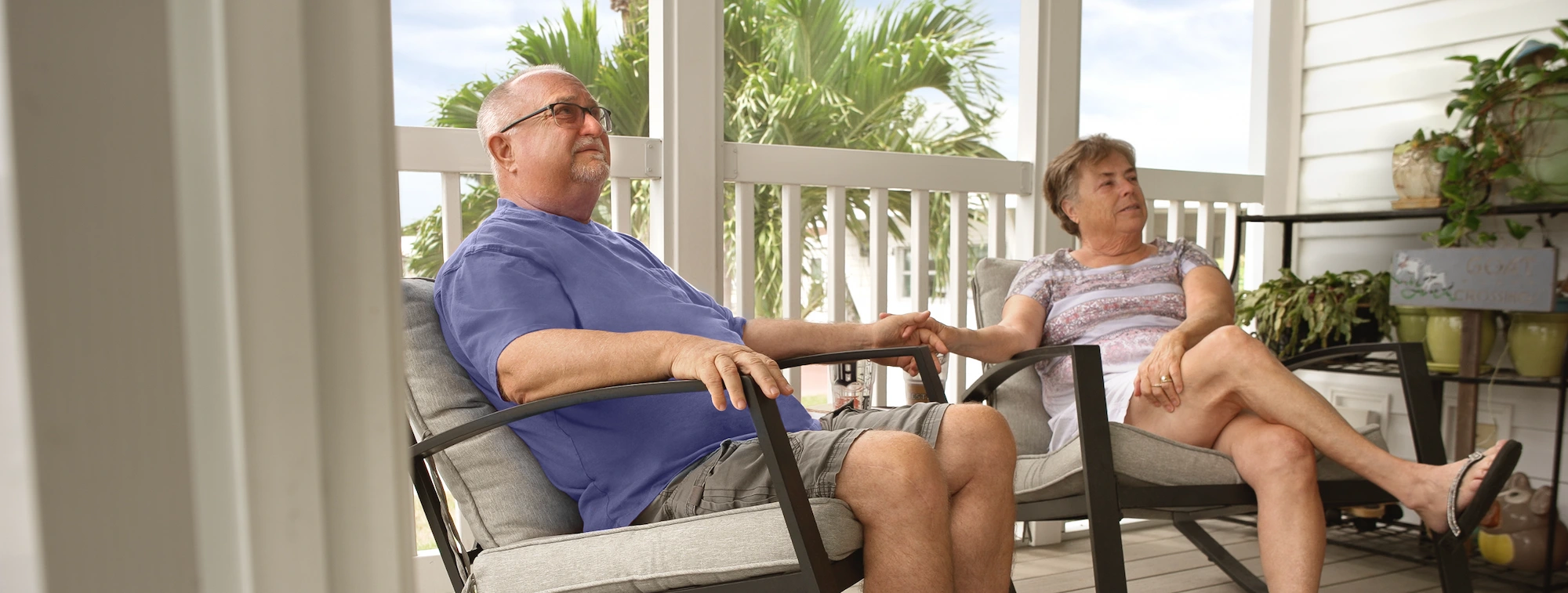
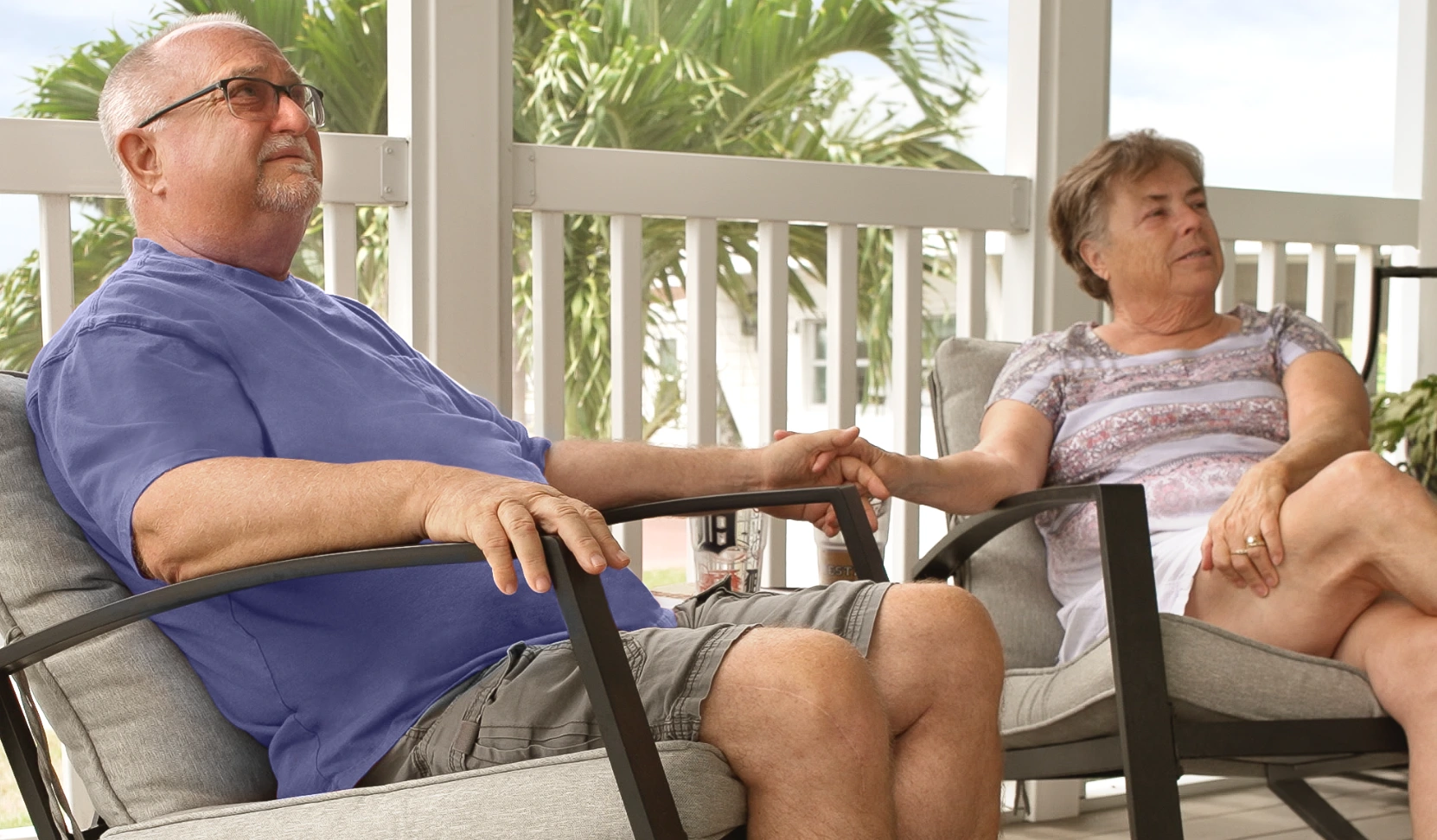
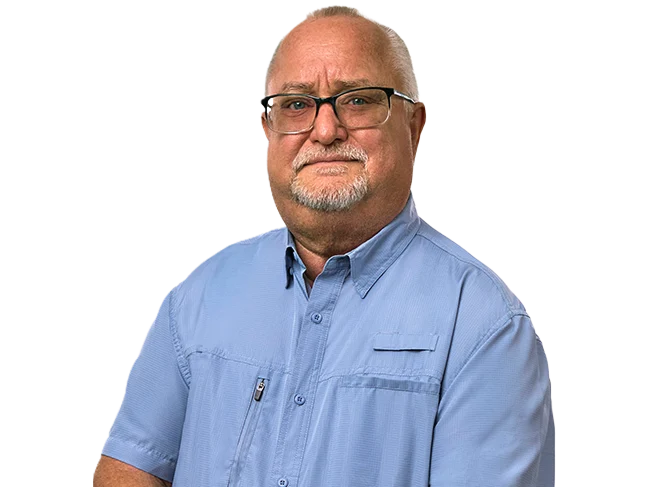
Curt prided himself on being self-reliant until chronic HypoPARA changed his life. Now, Curt can see that support from his wife Penelope and his care team is essential to this journey.
Curt, chronic HypoPARA patient

A surgery that changed everything
Curt and his wife Penelope built their lives around hard work, raising a family, and running their hog farm. Curt was active until chronic HypoPARA challenged everything 28 years ago.
“I used to be really active and self-reliant. To not be that anymore is a tough row to hoe. It’s a mental game to stop worrying about what you can’t do and focus on the things you can.”
Before his diagnosis, Curt was in good health. When he started experiencing kidney stones, doctors uncovered his overactive PARAthyroid gland. He had surgery to remove it, but it resulted in chronic HypoPARA.
He worked with his primary care provider to find an endocrinologist who was knowledgeable about chronic HypoPARA and could explain how it impacted his body.
A new normal
The impact of his symptoms was significant. Seizures, cramps, brain fog, and vision loss left him unable to work, so he gave up his farm.
Curt has also experienced the additional challenges that come with nearly 3 decades on conventional treatment.
“Being on conventional treatment for so long, I know it’s affected my body in different ways—my kidneys don’t have the function they used to, my knees got so full of calcium they had to be replaced, and my heart valve even got stuck shut because of calcium buildup.”
Despite the setbacks he’s faced, Curt’s learned not to dwell on it. His approach: “I’m not going to let the HypoPARA win.”
Finding the right doctor, tracking symptoms, and speaking up
Finding the right endocrinologist was a turning point, and so was tracking his symptoms. He brought the record to every appointment to better communicate the impact of chronic HypoPARA with his care team.
Penelope has been by his side through it all, joining him at appointments and supporting him through the symptoms and struggles.
“She’s been my biggest supporter these past years with all of the appointments and ups and downs. I’ve had to learn to be honest with her and the other people around me about how I’m feeling. I can’t say, ‘Yeah, I’m fine,’ if I’m not.”
Curt’s point of view
Communicate with your care team, believe what your body is telling you, and bring a partner or friend to help you advocate for what you need.
Curt’s experience is his own. Talk to your doctor about your symptoms and what treatment options may be right for you.
Find your community

Learn how the HypoPARAthyroidism Association works to improve the lives of people impacted by chronic HypoPARA.

Connect with others who truly understand living with a rare disease through NORD (National Organization for Rare Disorders). Plus, access helpful information about treatment, patient assistance programs, and so much more.

As a worldwide community, the APS Type 1 Foundation empowers families and fuels groundbreaking research for autoimmune polyglandular syndrome type 1 (APS-1) all to build a future of hope and change.